We live in the South West, so getting all the way to Disneyland Paris by car sounded like an enormous journey.
And now I wouldn't really want to get there any other way.
What did we worry about the most?
When we drive to Disneyland Paris, the bit that usually worries us most is not France. It is getting to Folkestone in time for LeShuttle.
Once we are through the terminal and on the train, it feels like the difficult part is done. That is why we build a generous amount of time into the journey through England.
We would much rather arrive early, have something to eat and wait for our crossing than spend the whole journey staring at Google Maps and worrying about every patch of red traffic.
- Build in a generous time buffer
- Allow for traffic and roadworks
- Expect stops along the way
- Treat spare time as journey time
- Arriving early beats rushing
Our journey at a glance
We normally leave home at around 9am and start making our way towards Folkestone.
We'll usually stop twice on the way. There is no attempt to race across the country because we've deliberately left ourselves plenty of time.
We take an early evening LeShuttle crossing.
After the crossing, we arrive in Calais and then drive roughly 10 minutes to our hotel. After that, it is food, shower and bed.
We have breakfast and normally leave the hotel at around 8.30–9.30am.
From there we head towards Paris, usually making one motorway stop on the way.
By late morning or lunchtime we're normally around Paris or Val d'Europe.
Depending on the trip, we'll spend the rest of the day at Val d'Europe, in Paris or somewhere nearby before heading back to our hotel for the night.
We don't try to drive from the South West to Disneyland Paris in one go.
We spread the journey over three days, which completely changes how it feels.
Why driving works for us
For us as a family, it has generally worked out considerably cheaper too.
Driving takes longer on paper.
But the whole journey feels much more relaxed because it is ours.
Our Rule
Never plan to reach Folkestone just in time.
You need to allow for traffic, roadworks, accidents, toilet stops, coffee stops and the motorway simply deciding not to cooperate.
We've used nearly all of a two-and-a-half-hour buffer before, which is exactly why we now treat that spare time as part of the journey rather than wasted time.
- Traffic and roadworks
- Accidents and unexpected delays
- The motorway simply not cooperating
- Toilet stops
- Coffee stops
If we arrive early, brilliant. We'd much rather have a coffee near the terminal than spend an hour watching the clock while sitting on the M25.
LeShuttle or Ferry
We've tried both, and they are quite different journeys.
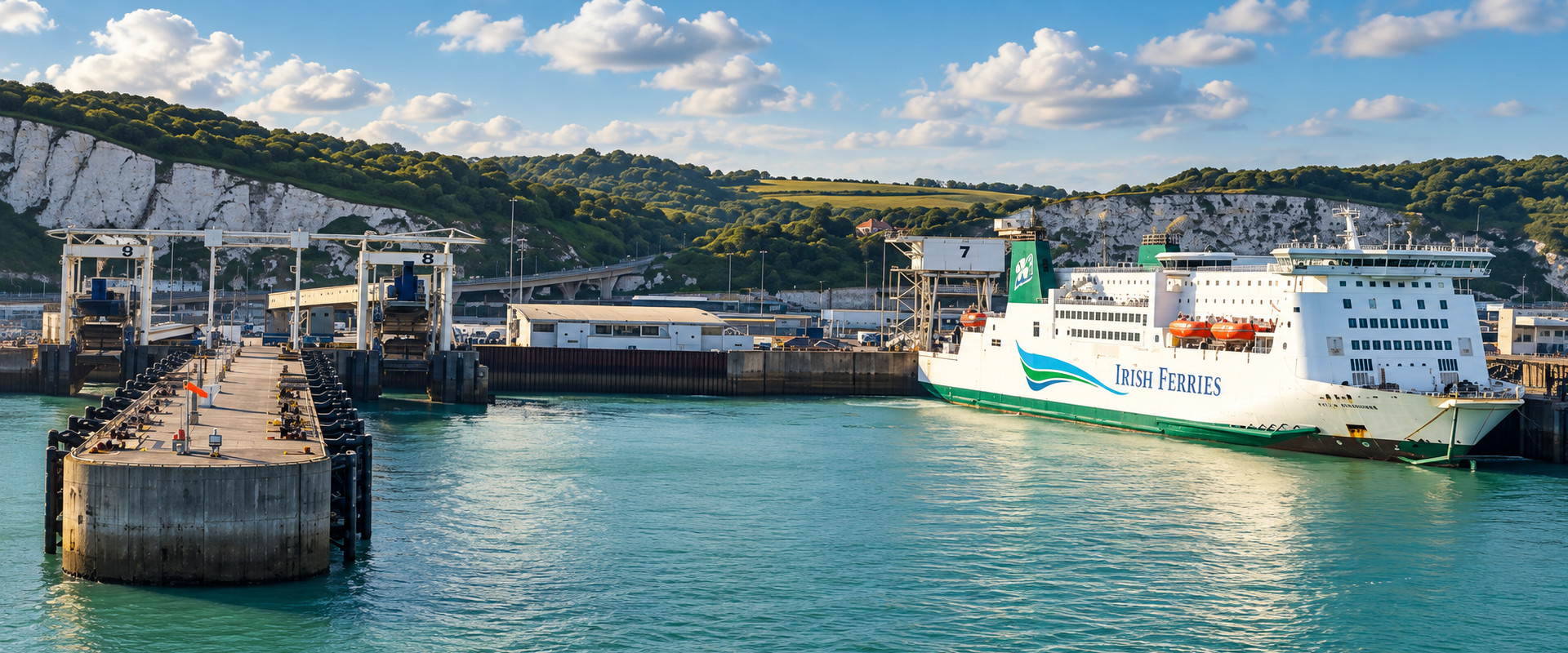
A proper break from driving
The ferry is better if you want the crossing to feel like a genuine stop in the journey.
- Get out of the car and walk around
- Get something to eat
- Get some fresh air and see the Channel
It feels much more like a distinct part of the journey.
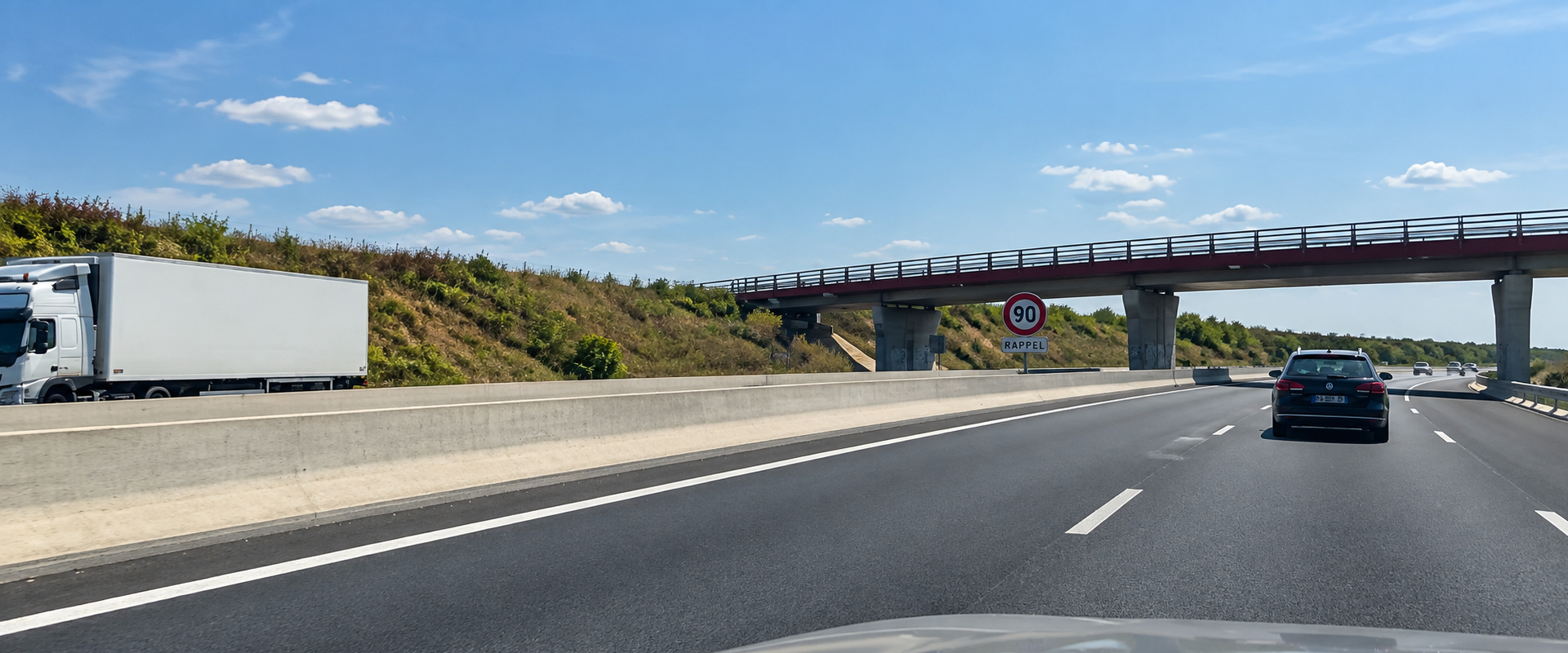
The quickest way into France
LeShuttle is better if the priority is simply getting into France quickly and carrying on.
- Around 35 minutes across
- Normally stay in the car
- Drive straight off again in France
There is very little to it, which is exactly the appeal.
For us, LeShuttle wins.
We like the simplicity of arriving at Folkestone, getting through the terminal and suddenly finding ourselves in France without having added another big chunk of time to the journey.
Using LeShuttle
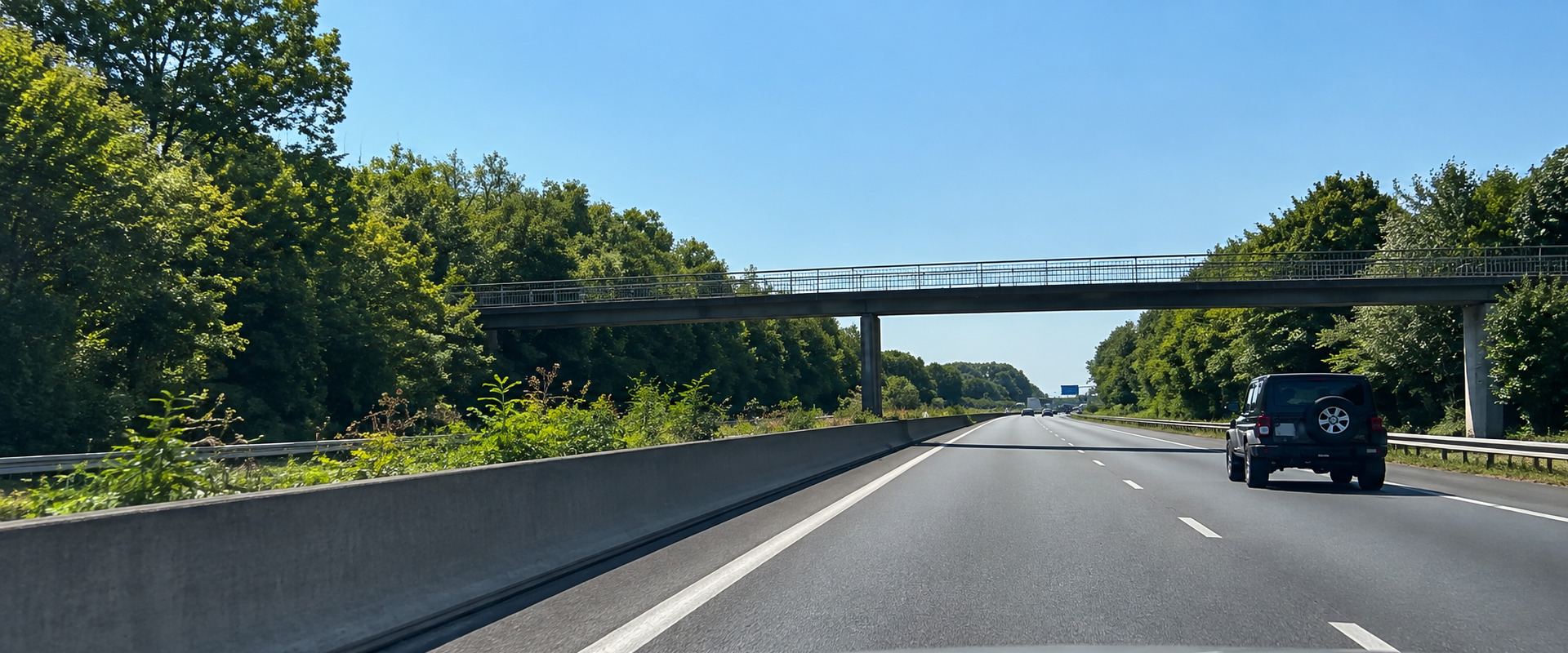
LeShuttle sounds much stranger before you've done it than it actually feels when you're there.
Folkestone is easy to navigate and check-in is straightforward.
Border control happens before you board, so once you're through that part you simply follow the signs and the cars towards your train.
- 1
Check in at Folkestone
Follow the signs into the terminal and complete check-in.
- 2
Go through border control
This happens before boarding, so once you're through you can simply follow the signs towards your train.
- 3
Drive onto LeShuttle
When boarding starts, you drive straight onto the train.
- 4
Stay in the car for the crossing
We normally stay in the car. Around 35 minutes later the doors open and the cars start moving.
- 5
Drive straight out into France
That’s pretty much it.
Keep everybody's passports easy to reach
You'll need them before boarding and don't want to be digging through luggage when you get to border control.
A few things to sort before France
Switch your car from mph to km/h.
One thing I would definitely sort before driving off LeShuttle is how to switch your car from mph to km/h.
The crossing is a good time to find the setting while the car is stationary rather than trying to work it out once you're already driving in France.
We didn't the first time.
It is a very small thing, but having the speedometer showing kilometres per hour makes driving in France considerably easier.
Driving in France
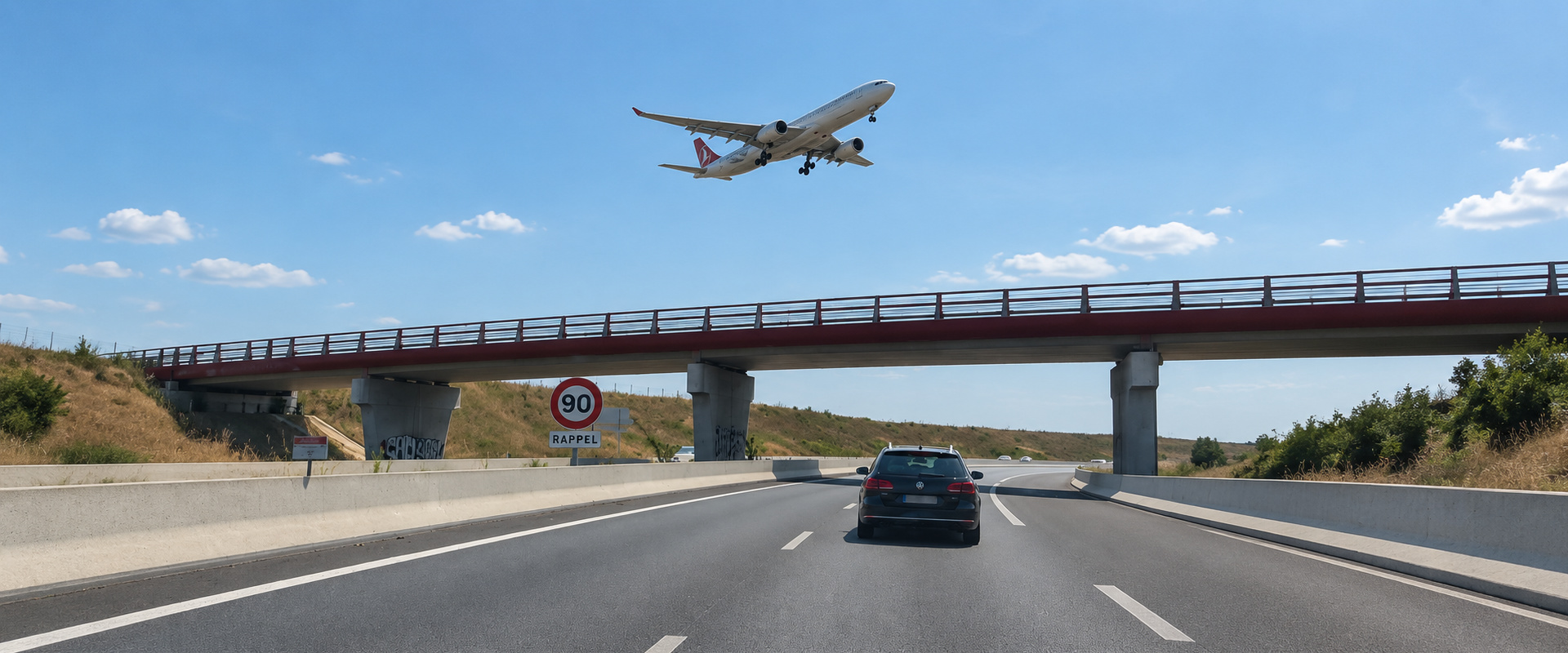
Much easier than I expected
This was the part I expected to hate.
I actually prefer it to driving in Britain.
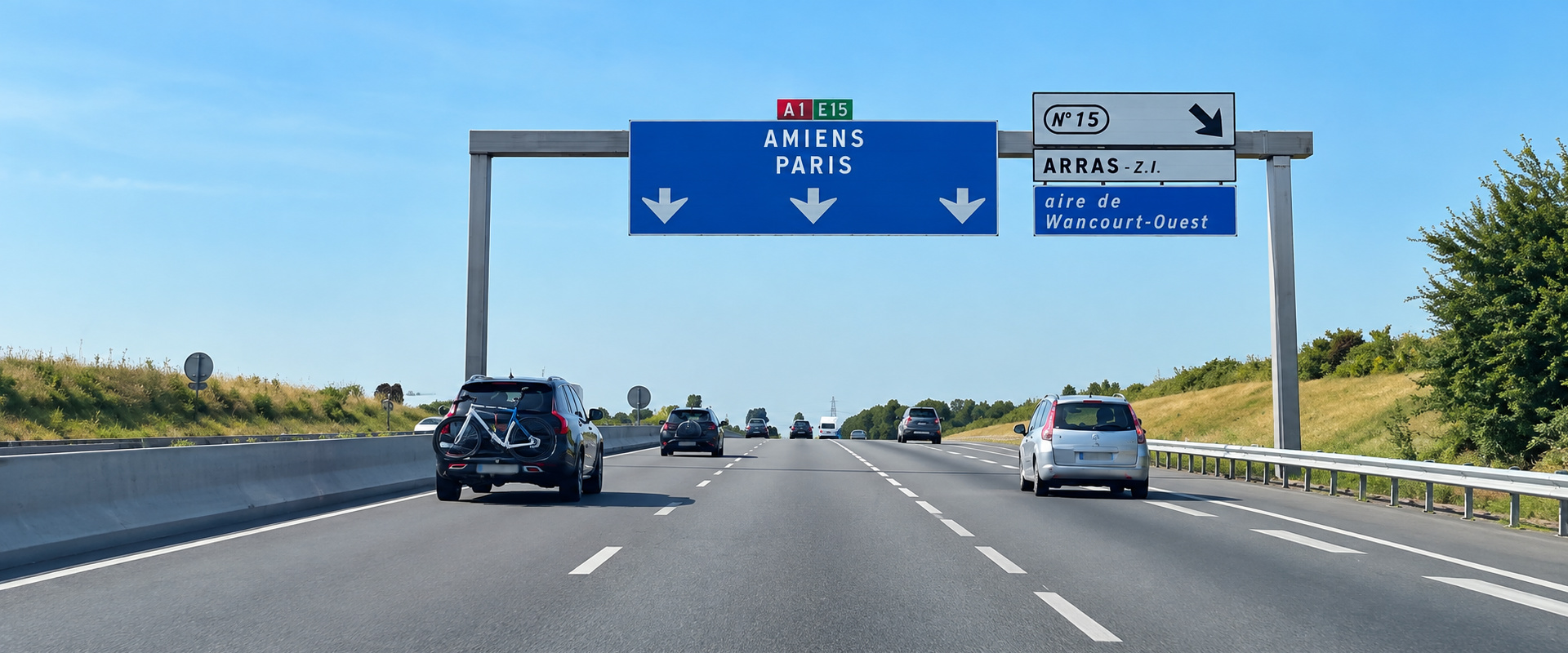
Once you're on the main French motorways, they generally feel quieter, calmer and more consistent than the motorways we're used to at home.
Leaving Calais is particularly easy. You're naturally fed onto the road network with everyone travelling in the same direction, so there isn't a dramatic moment where you suddenly feel as though you're driving on the wrong side of the road.
Most of the time, motorway driving feels very normal.
Motorway services
Easy places to stop, reset and carry on
The larger motorway services we've used in France have generally been really good.
They tend to be clean, easy to get in and out of and clearly signposted from the motorway. They're perfectly good for grabbing a coffee, using the toilets and getting out of the car for ten minutes.
- Coffee
- Toilets
- Easy motorway access
- A ten-minute leg stretch
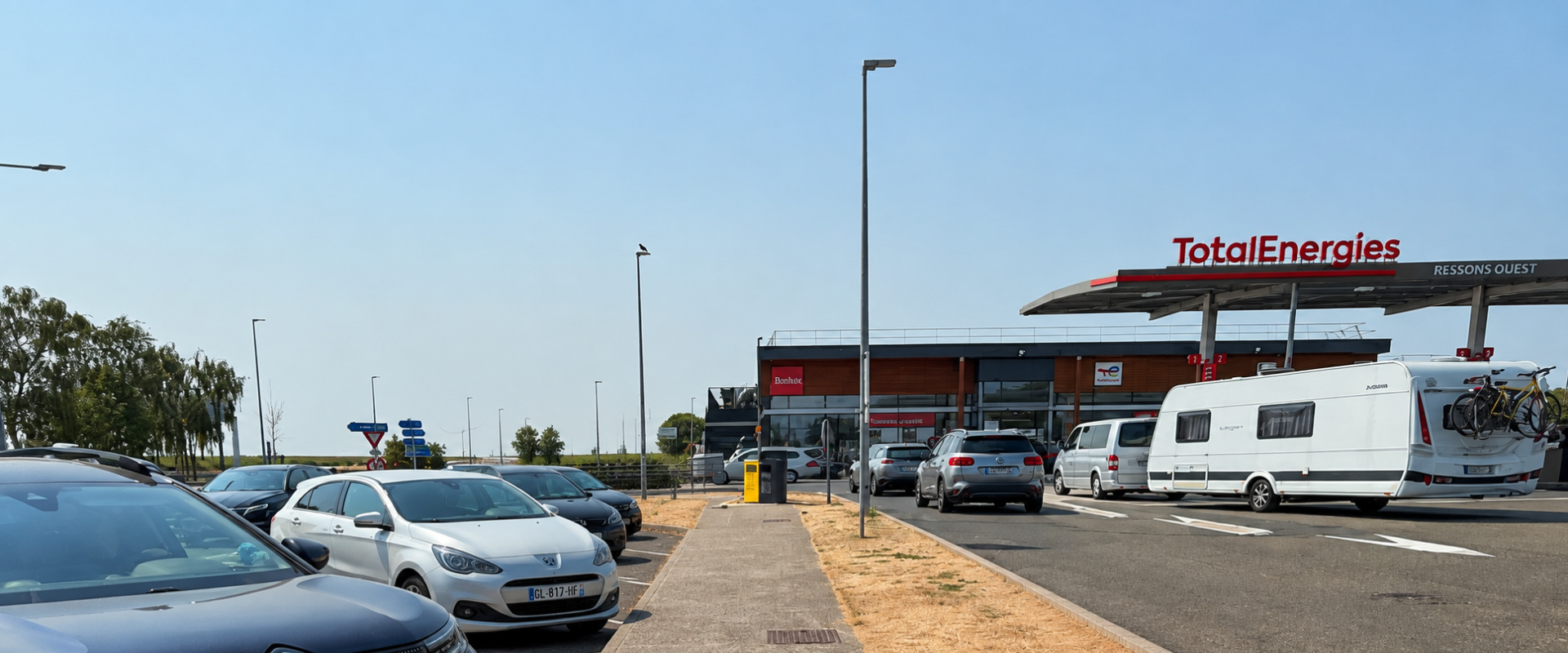
We normally stop once between Calais and Paris. It isn't usually a big planned break. We simply find somewhere convenient, stretch our legs, get a drink and carry on.
Tolls
The tolls look more intimidating than they actually are.
With a UK car, the slightly awkward part is that the machine is normally on the passenger side, so your passenger usually becomes responsible for tickets and payments.
- 1
Get close to the machine
This is genuinely the bit that takes some practice.
- 2
Take a ticket
Where a ticket is required, take it as you enter the toll section.
- 3
Pay at the next toll point
Hand over the ticket, pay, and carry on.
Getting close enough to the machine is the bit we've had to practise.
We've got much better at it.
Why we stop in Calais
This is probably the most important part of our whole journey.
After you've already driven across Britain and come through LeShuttle, it is tempting to think you're nearly there and just carry on towards Paris.
We don't.
Ten minutes from LeShuttle. Then we're done for the day.
We leave LeShuttle, drive roughly ten minutes and check into a hotel in Calais.
Then it is food, shower and sleep…. And it is lush.
There is something incredibly satisfying about knowing the big first day is finished.
The next morning we're rested, we've already crossed the Channel and the long British section is behind us. We can drive towards Paris, spend the day around Val d'Europe, Paris or somewhere nearby, then head back to our hotel for the night.
Disney itself starts properly the following morning, when we aim to arrive for around 8am.
That overnight stop in Calais is probably the biggest reason the journey never feels overwhelming to us.
Arriving at Disney
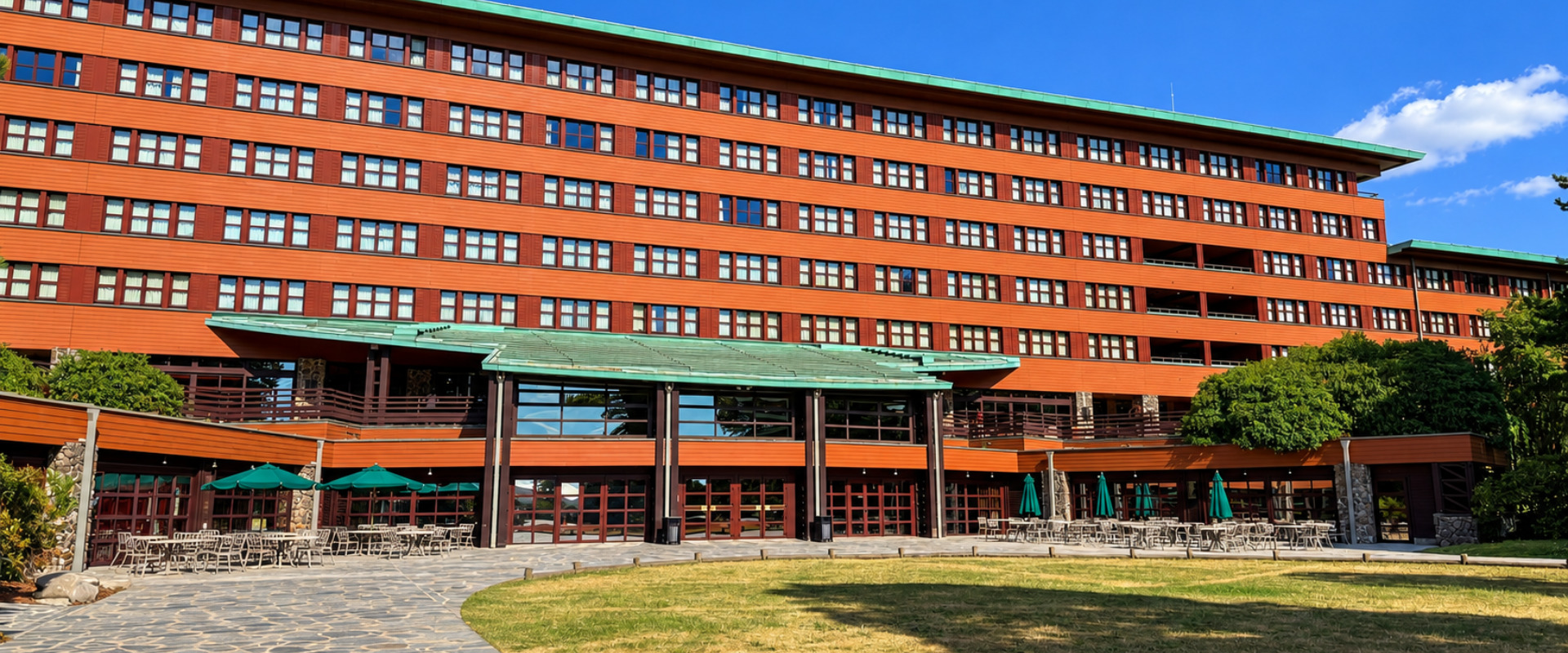
If we're staying at a Disney Hotel, arriving by car is very simple.
We normally aim to arrive at around 8am on day three, drive straight to the hotel and park.
The room obviously won't be ready that early, so we'll normally leave the main luggage in the car, take the important things with us and head into the parks.
We can come back for the cases later when the room is ready.
The car normally stays exactly where it is.
Slightly ironically, after making such a big thing of driving all the way to Disneyland Paris, we don't generally use the car once we're there.
Even when we've visited Val d'Europe, we've usually taken the train rather than getting the car back out.
Packing
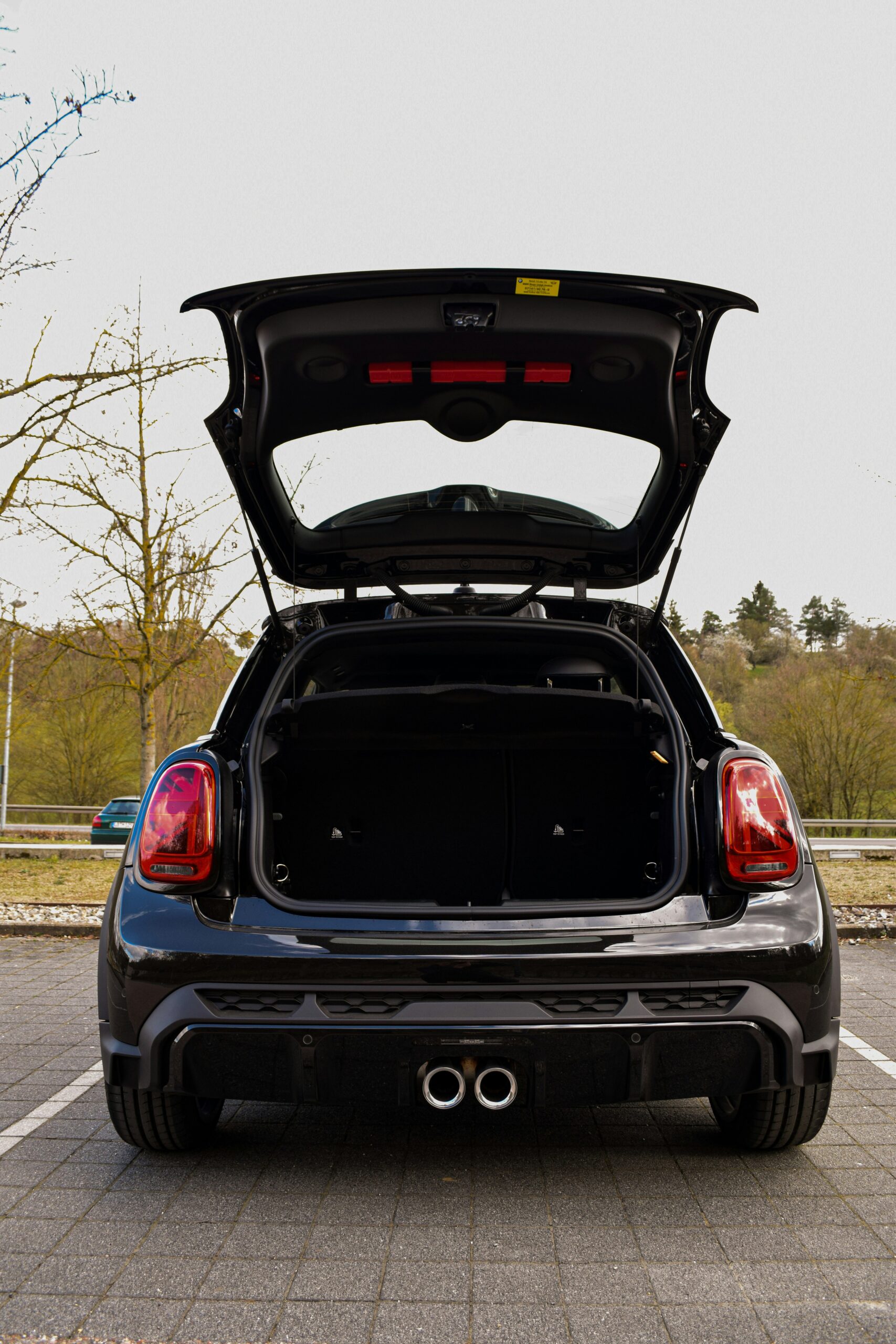
Packing without baggage limits
This is another reason we love driving.
We don't have a clever packing system. We just take what we need.
Suitcases, drinks, chargers, pillows, blankets and all the usual children's things can simply go in the car.
- Suitcases
- Drinks and snacks
- Chargers
- Pillows and blankets
- Children's bits and pieces
- A fan if France is going to be roasting
Obviously the boot isn't infinite. But nobody is weighing it.
That freedom makes a bigger difference than I expected. We don't have to spend the week thinking about suitcase weights or whether something we've bought will fit into hand luggage.
Driving home
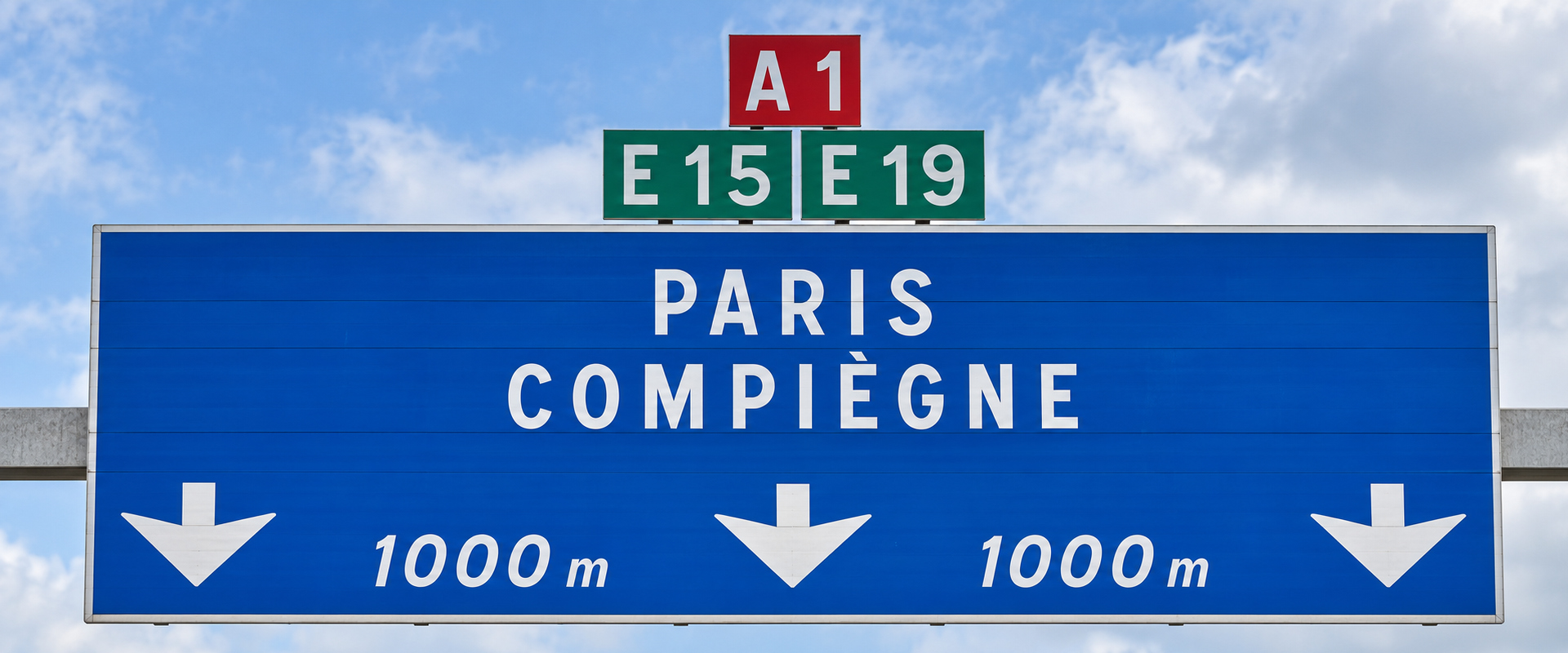
One journey, straight home
We split the journey up on the way out.
We normally drive home in one go.
That works much better for us than it sounds.
We do still have a LeShuttle crossing to make, so the day isn't completely open-ended. We work backwards from that booked time, but otherwise we can stop when we need to and take the journey at our own pace.
The children can sleep, and once we're through LeShuttle at Folkestone there is nothing else to connect with. We just drive home.
We also pack the car before our final morning in the parks, so when it is time to leave there is very little left to organise.
- Car already packed
- No hotel luggage collection
- No airport transfer
- One fixed LeShuttle crossing
Would we drive again?

Absolutely
Driving gives us more control, more flexibility and far more luggage space.
It makes travelling with the children easier because we can stop whenever we need to, take all their usual things with us and work around our own timings rather than somebody else's timetable.
What started as the option I liked least has become our favourite way to get to Disneyland Paris.
We don't really see the drive as something to endure before the holiday anymore.
There is the first coffee stop, arriving at Folkestone, LeShuttle, waking up in Calais, a day around Paris or Val d'Europe and then arriving at Disney the following morning.